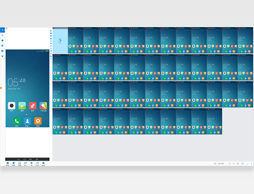
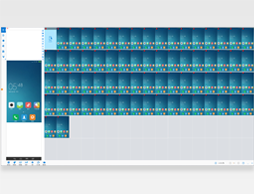
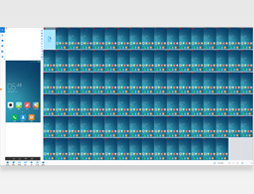
Control One = Control All
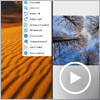
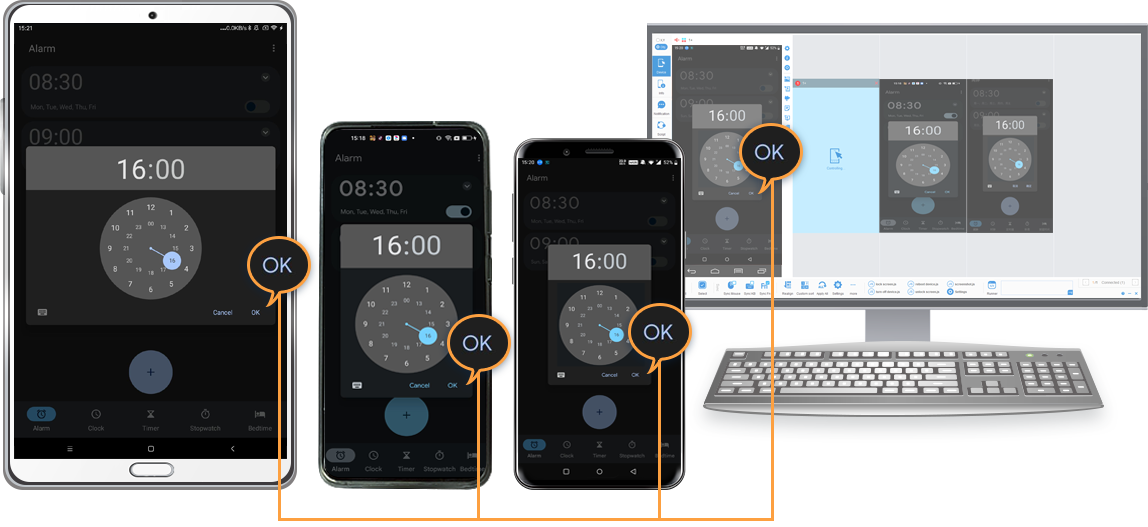
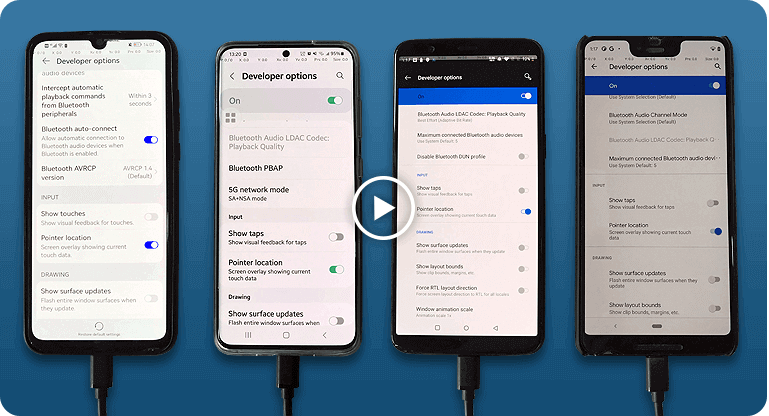
Object mode in one-to-many synchronization, send query of the node (or UI object) to all devices instead of coordination, click "OK" can run on all devices with different resolutions than click(100,100).
AAI Script (AAIS) is very small script built on top of AAI's FindNode, it has a very simple syntax and with a dozen of commands, it is useful to write simple tests or throw away scripts.
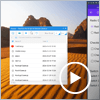
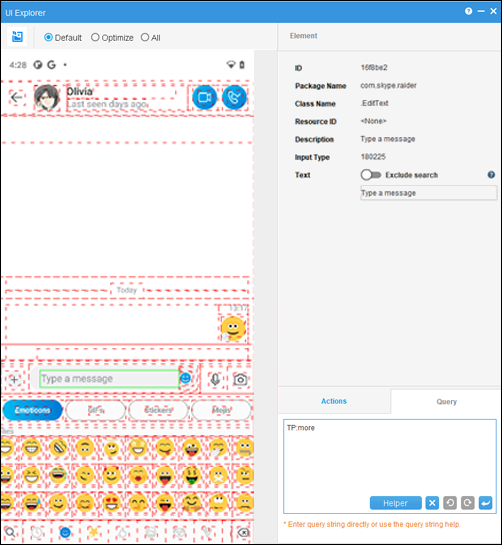
UI Explorer to obtain node information and helper program to construct query, great to learn query language learning.
Design reusable components (e.g., parameterized FIFOs, state machines) that can be reused across projects.
Use the numeric_std package for arithmetic operations. Declare numeric buses as signed or unsigned . Avoid using legacy, non-standard packages like std_logic_arith or std_logic_unsigned .
By following these guidelines, developers can improve their VHDL coding skills and write efficient and effective code.
: Utilize VHDL's strict typing system (e.g., std_logic_vector , signed , unsigned ) to catch errors during compilation rather than in hardware. 2. Coding Styles and Standards
A combinational process models logic circuits without memory elements (no flip-flops).
Teams cannot understand or update old designs.
Use std_logic for single-bit signals and std_logic_vector for multi-bit buses representing raw data.
by Ricardo Jasinski: A primary reference for applying software practices to VHDL. : A concise set of professional rules for digital design. NASA VHDL Style Guide
Drive design variance using generics instead of duplicating structural code.
Use standard for single-bit control flags passing into a slower or asynchronous clock domain.
This doubles the flop usage and creates half-cycle timing paths. Avoid it unless you absolutely need DDR logic.
: Focus on explaining the " why " behind logic rather than just the "what". Document every port in an entity and provide a standard header for every design file containing the author, purpose, and revision history. 3. Design for Synthesis
Many VHDL constructs ( file_open , access types, wait until without a sensitivity list) are simulation-only. A best-practice PDF strictly demarcates "RTL code" from "testbench code." For synthesis, stick to:
These books provide a comprehensive overview of VHDL programming and coding.
It eliminates inferred latches, simplifies reset logic, and is less prone to simulation mismatches.
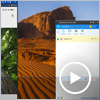
Select Obj mode to easily sync Android devices with dfferent screen resolutions and brands (resolution independent).
Example: Sync buttons in different locations.
Support FindNode, REST API & JavaScript API
Integrate object-based action to existing API & seamless integration with FindNode.

device.sendAai({query:"T:Android version&&OY:1", action: "getText"})devices.sendAai({ actions:["scrollIntoView('T:Pointer location||OX:1','down')","click"]})http://localhost:8090/TotalControl/v2/devices/ids/aai/sendaai?
{
"token": "270eq7lXQK8bXYsJ",
"state": "active",
"ids": ["device@795844152","device@795812215"],
"query":"T:Pointer location||OX:1",
"postAction":"click",
"preAction":"scrollToView"
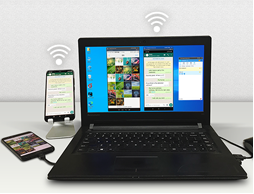
}Total Control allows users to control Android devices from a PC with low latency and high stability. It supports controlling multiple Android devices simultaneously, making it ideal for Android testing, automation, demonstrations, and device farm environments.
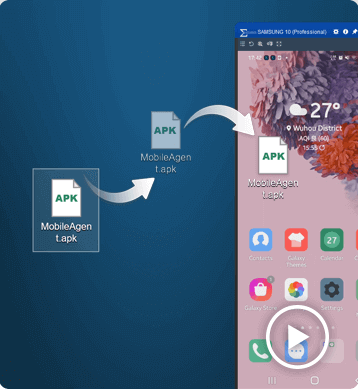
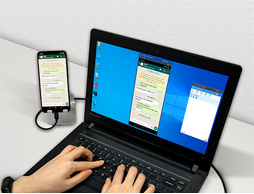
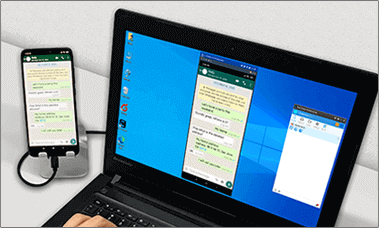
Controlling Android devices from a PC is essential for developers, testers, and businesses that need to operate multiple devices efficiently. With Total Control, users can mirror and control Android devices directly from a Windows computer using a keyboard and mouse.
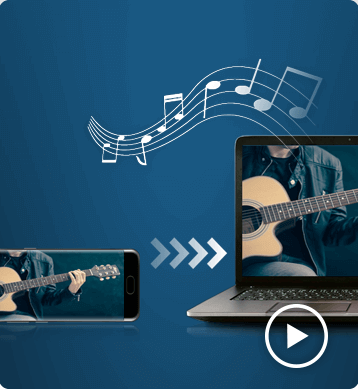
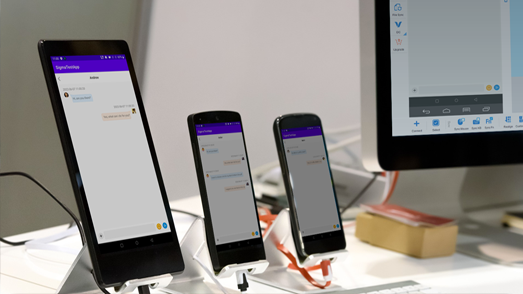
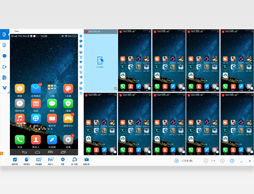
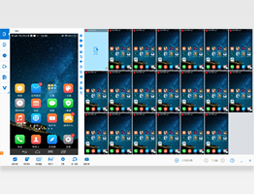
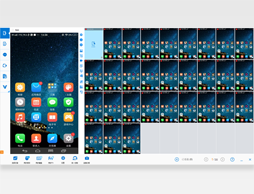
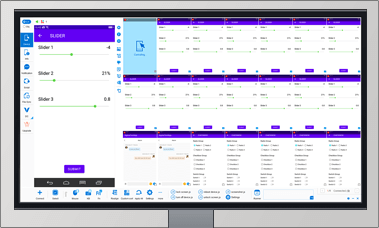
The software supports multi-device synchronization, allowing users to control multiple Android devices simultaneously from a single PC. This makes it ideal for Android automation, device testing, demonstrations, and large-scale device environments such as Android device farms.
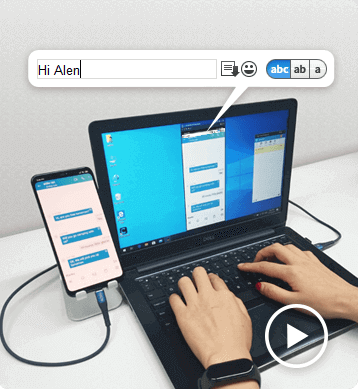
Compared with traditional screen mirroring tools, Total Control focuses on low latency, stability, and large-scale device control. Users can easily deploy dozens of devices, synchronize actions, and automate repetitive operations using scripts and APIs.
Design reusable components (e.g., parameterized FIFOs, state machines) that can be reused across projects.
Use the numeric_std package for arithmetic operations. Declare numeric buses as signed or unsigned . Avoid using legacy, non-standard packages like std_logic_arith or std_logic_unsigned .
By following these guidelines, developers can improve their VHDL coding skills and write efficient and effective code.
: Utilize VHDL's strict typing system (e.g., std_logic_vector , signed , unsigned ) to catch errors during compilation rather than in hardware. 2. Coding Styles and Standards
A combinational process models logic circuits without memory elements (no flip-flops).
Teams cannot understand or update old designs.
Use std_logic for single-bit signals and std_logic_vector for multi-bit buses representing raw data.
by Ricardo Jasinski: A primary reference for applying software practices to VHDL. : A concise set of professional rules for digital design. NASA VHDL Style Guide
Drive design variance using generics instead of duplicating structural code.
Use standard for single-bit control flags passing into a slower or asynchronous clock domain.
This doubles the flop usage and creates half-cycle timing paths. Avoid it unless you absolutely need DDR logic.
: Focus on explaining the " why " behind logic rather than just the "what". Document every port in an entity and provide a standard header for every design file containing the author, purpose, and revision history. 3. Design for Synthesis
Many VHDL constructs ( file_open , access types, wait until without a sensitivity list) are simulation-only. A best-practice PDF strictly demarcates "RTL code" from "testbench code." For synthesis, stick to:
These books provide a comprehensive overview of VHDL programming and coding.
It eliminates inferred latches, simplifies reset logic, and is less prone to simulation mismatches.
Controlling Android from a PC is simple with Total Control.
After installing the software on your computer, connect your Android device via USB and enable USB debugging.
Once connected, you can view and control your Android screen directly from your PC using a keyboard and mouse.
The Lite version supports 1–2 devices and is free for non-commercial use.
To control multiple Android devices simultaneously, upgrade to the Professional version for advanced features and large-scale device management.
Total Control supports Windows 7 to Windows 11 (32-bit and 64-bit).
It is compatible with Android 6.x to Android 16 devices from all major brands and manufacturers.
Yes. Total Control allows you to control Android devices from a PC without rooting the device. Simply enable USB debugging and connect via USB to start controlling the device securely.
Yes. The Professional version supports controlling multiple Android devices simultaneously, making it ideal for developers, testers, and enterprise device management.
The best way is to use a professional Android control tool that provides low latency, stable connections, and full keyboard and mouse support. Total Control is designed for commercial and multi-device environments.
Yes. When using a secure local USB connection, data transmission remains stable and protected. Total Control is built for enterprise-level reliability and security.