

ASSISTENZA -23%

VENTOLE-E-DISSIPAZIONE-INTERNA -4%





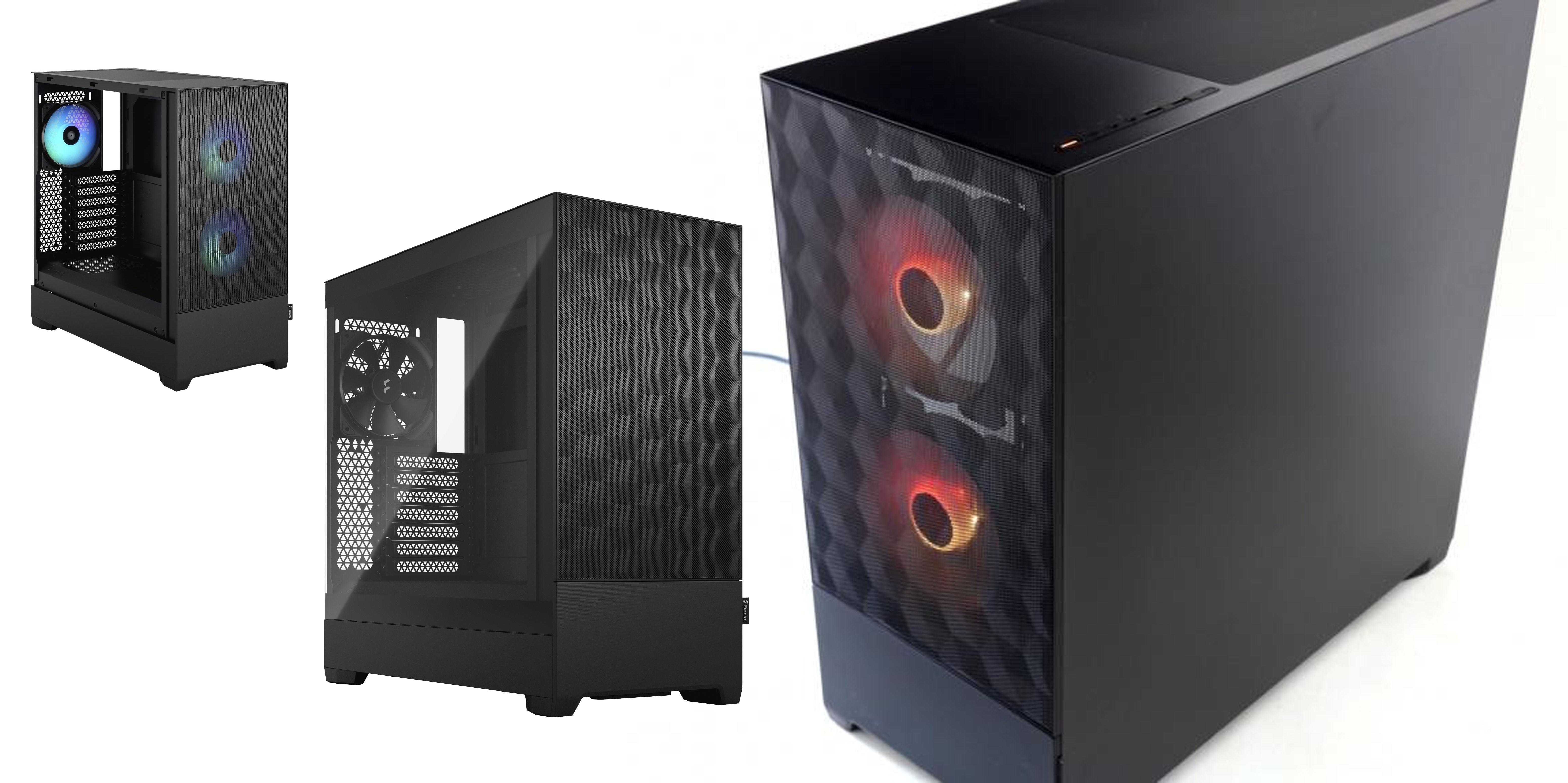
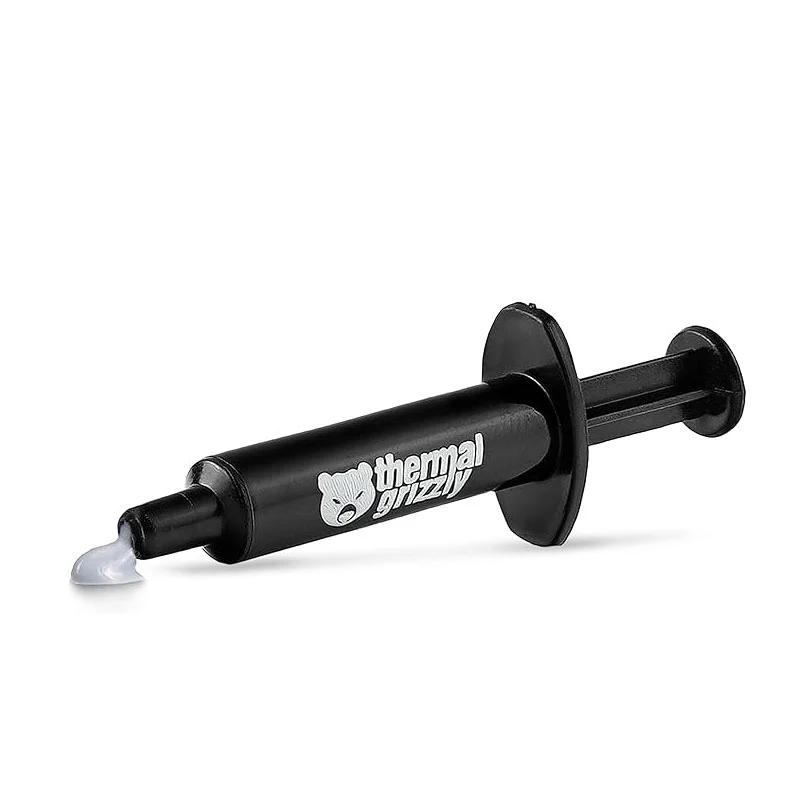
VENTOLE-E-DISSIPAZIONE-INTERNA -4%


 LICENZA Windows 11 PROFESSIONAL - Sticker + DvD
Nel tuo PC troverai installato e aggiornato:
Microsoft windows 11 pro - licenza ufficiale. Sticker adesivo COA.
Licenza a vita, riattivabile in caso di formattazione. Valida per 1 solo pc.
Questo prodotto contiene esclusivamente il codice di
attivazione stampato su
una Etichetta con Secure
Code da grattare per la rivelazione del codice. Il prodotto non contiene
Supporto Multimediale
Il prodotto è protetto da garanzia a vita, che consente
ove necessario, la sostituzione del prodotto nel caso in cui i
nostri tecnici non riescano ad
individuare il problema entro 6 ore dallapertura della
segnalazione.
Requisiti di Sistema:
Processore: 1 gigahertz
(GHz) o superiore
RAM: 4 GB
Spazio su disco rigido:16
GB per sistemi a 32 bit, 20 GB per sistemi a 64 bit
Scheda video: DirectX 12 o
versioni successive
Display:720p
This is the most effective "hot" method on Windows 10/11 because it leverages Linux-based vmfs6-tools without needing a full virtual machine.
If you want to narrow down the best solution for your system, let me know:
VMFS 6 uses sub-blocks and thin provisioning. Ensure your tool is updated for VMFS 6 (not just VMFS 5). Older tools will show an empty folder.
Ensure your Windows machine can see the storage block device. This could mean mapping the iSCSI target using the Windows iSCSI Initiator or zoning your Fibre Channel SAN to the Windows host.
If you don't want to purchase expensive recovery software, you can use a Linux VM or Live CD as a middleman: Linux has an open-source driver called vmfs6-tool .
When handling an ESXi VMFS 6 drive on a Windows platform, keep these critical safety rules in mind:
The VDDK includes a set of C library routines for manipulating virtual disk files (VixDiskLib) and for mounting virtual disk partitions (VixMntapi). It works on both Windows and Linux systems and allows programmatic access to virtual disks as if they were mounted disk partitions.
Since VMFS is a proprietary clustered file system used by VMware ESXi, standard Windows tools like Disk Management will often label these drives as "Unknown Partitions". To access files from a VMFS 6 volume on a live Windows machine without rebooting, you typically have three main options: Professional Recovery Software Tools like DiskInternals VMFS Recovery UFS Explorer
Ensure your third-party tool supports VMFS6 specifically, as VMFS5 tools will not work.
If you need a reliable "hot" mount to browse and copy files (VMX/VMDK), nesting is the standard professional approach. How to Mount VMFS in Windows, Linux, and ESXi - NAKIVO
support VMFS 6 and allow you to "mount as disk," assigning a drive letter that Windows can read. Other options include UFS Explorer Hetman Partition Recovery Virtual Storage Appliances : Using a virtual appliance, such as the StarWind SAN & NAS
When mounting VMFS 6 on Windows, ensure it is set to read-only. Writing to a VMFS 6 volume from Windows can cause corruption that renders the LUN unreadable by ESXi.
7-Zip’s \\.\PhysicalDrive trick is a lifesaver when you cannot install any software.
Linux has access to open-source drivers like vmfs-tools (Note: Ensure your specific Linux distribution package supports the VMFS 6 metadata structure, as older versions only support VMFS 5). Step-by-Step Linux Pass-Through:
: VMFS is designed for multi-host access with specific locking mechanisms. Windows does not understand these locks and could easily corrupt the volume if it attempts to write to it. Summary Checklist for Mounting Windows Native Third-Party Tools Linux (vmfs6-tool) VMFS 6 Support Hot Connection ✅ Yes (iSCSI/FC) Read/Write ⚠️ Read Only ⚠️ Read Only Ease of Use
[Physical VMFS 6 Drive] ---> [Windows Host (Offline Mode)] ---> [Hyper-V / VMware Workstation VM] ---> [Linux VMFS Driver] Open Disk Management . Right-click the physical VMFS 6 disk.
Windows may prompt you with a popup saying, "You need to format the disk in drive X: before you can use it." Never click format. Doing so will overwrite the VMFS metadata and destroy your virtual disks (.vmdk files).
Browse the directories, locate your .vmdk files, and export them to a local Windows NTFS drive. 2. SysTools VMFS Recovery
