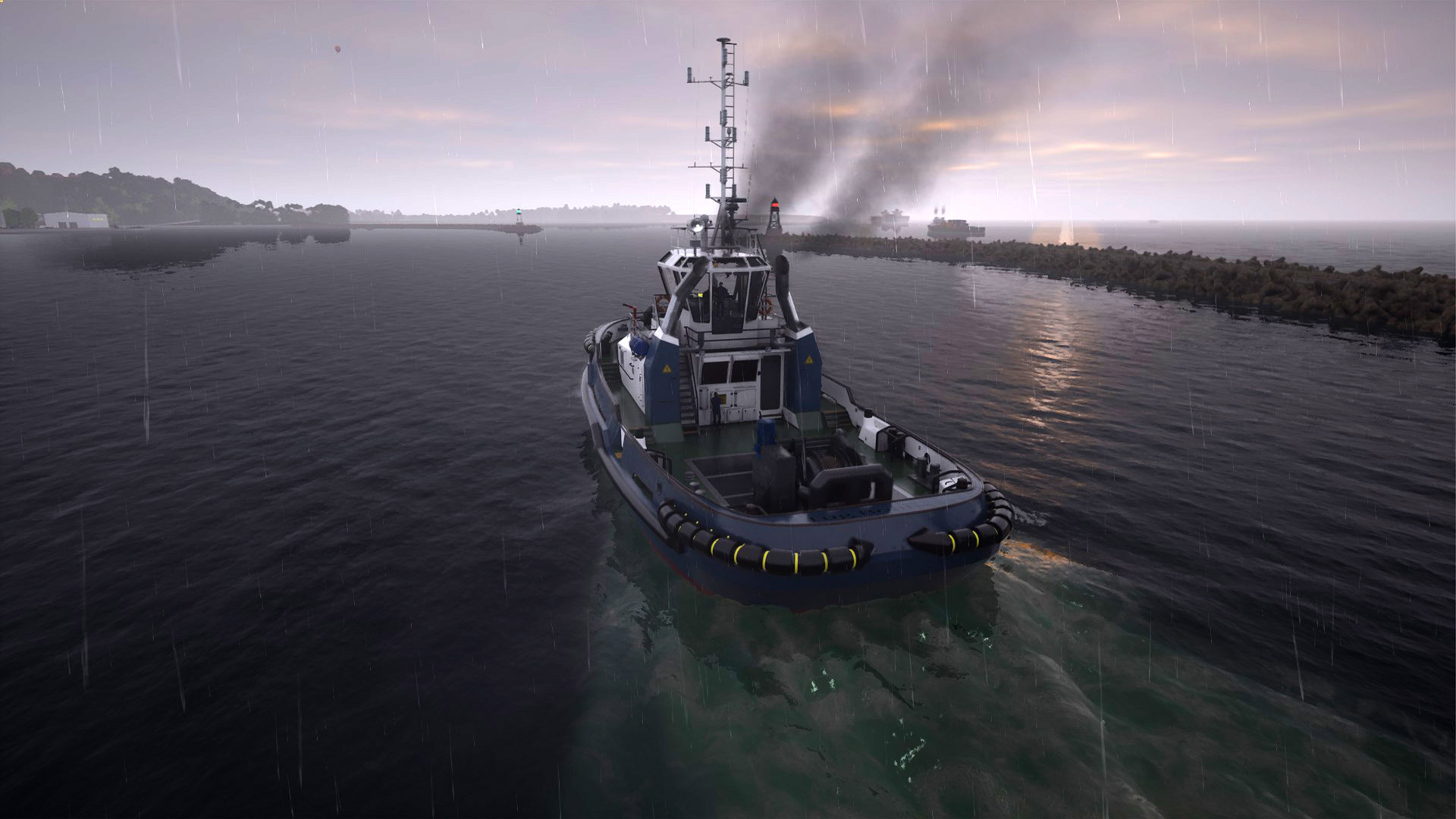
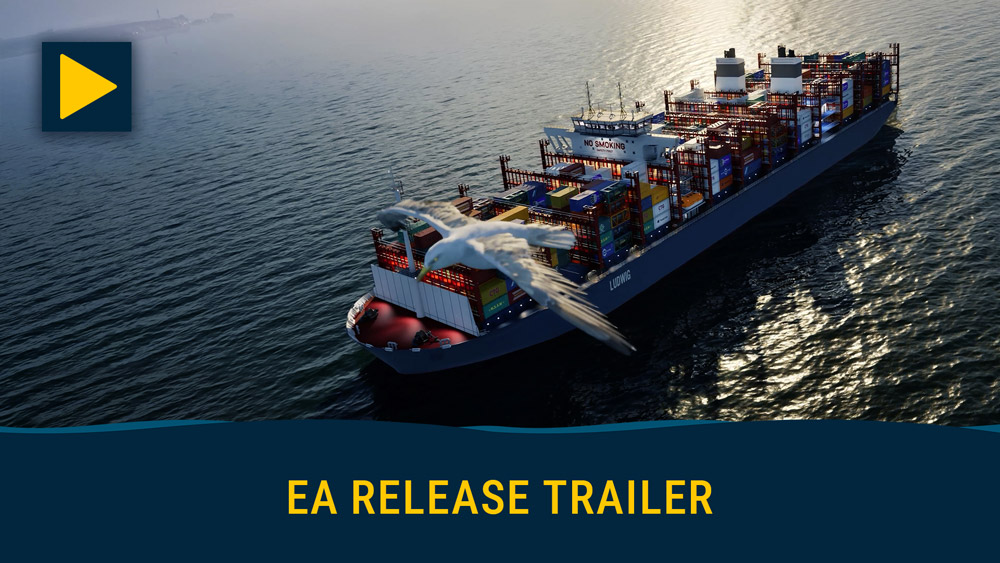
Feel the wind in your face, the deck beneath your feet and the salt on your lips.
Seafarer: The Ship Sim is in Early Access. We’d love for you to come aboard and launch your maritime career with us. The world, the ships, and the systems will grow update by update, and you’re invited to watch and shape that journey as it happens.
We want you to enjoy life at sea. This isn't a high-realism work training simulator in which you have to memorise every bolt or tick off endless checklists before you even start the engine. Our goal is simple: Take things at your own pace on a huge open map. Follow a career path or jump straight into the action in quick play. It’s your call.
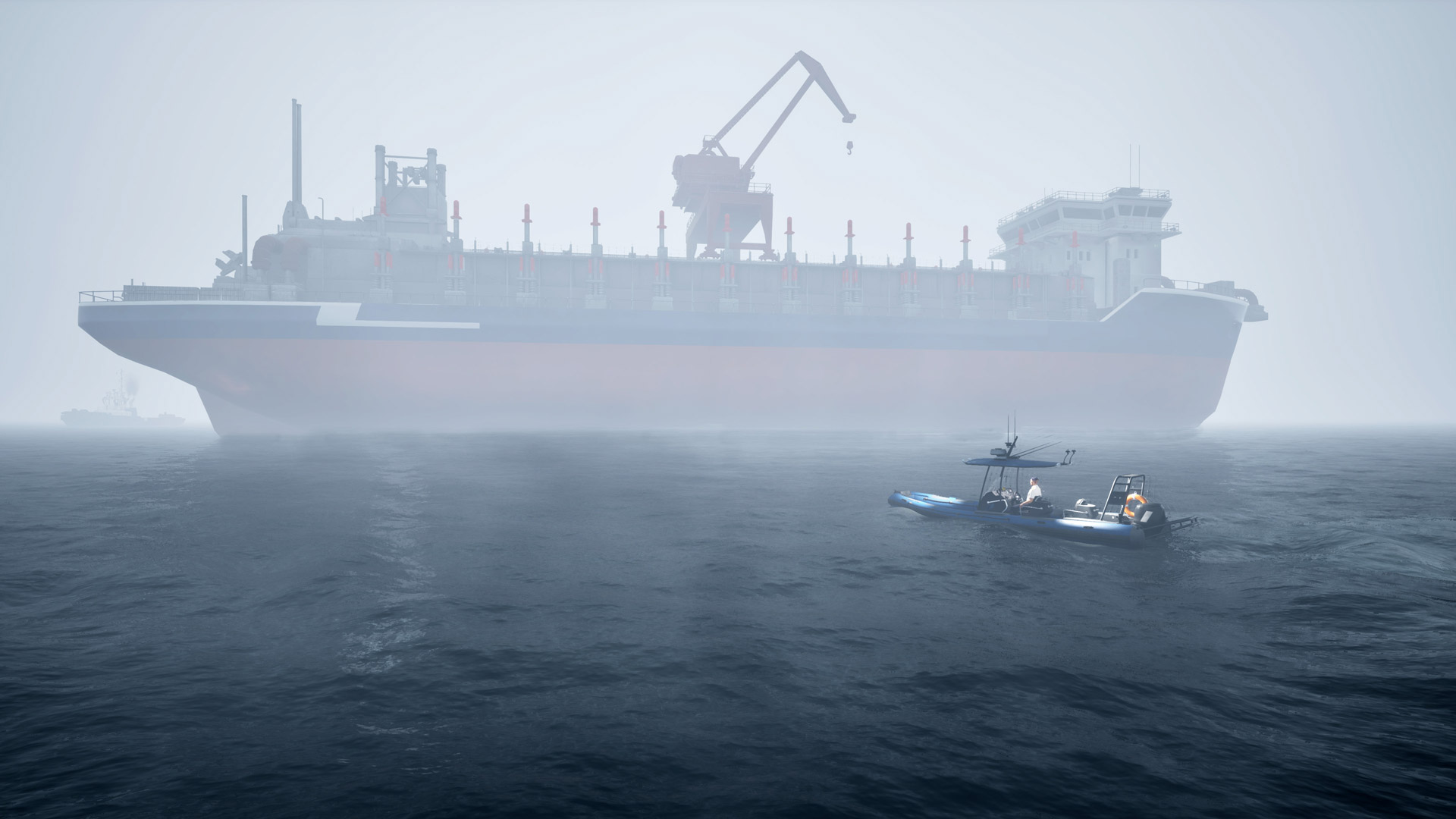
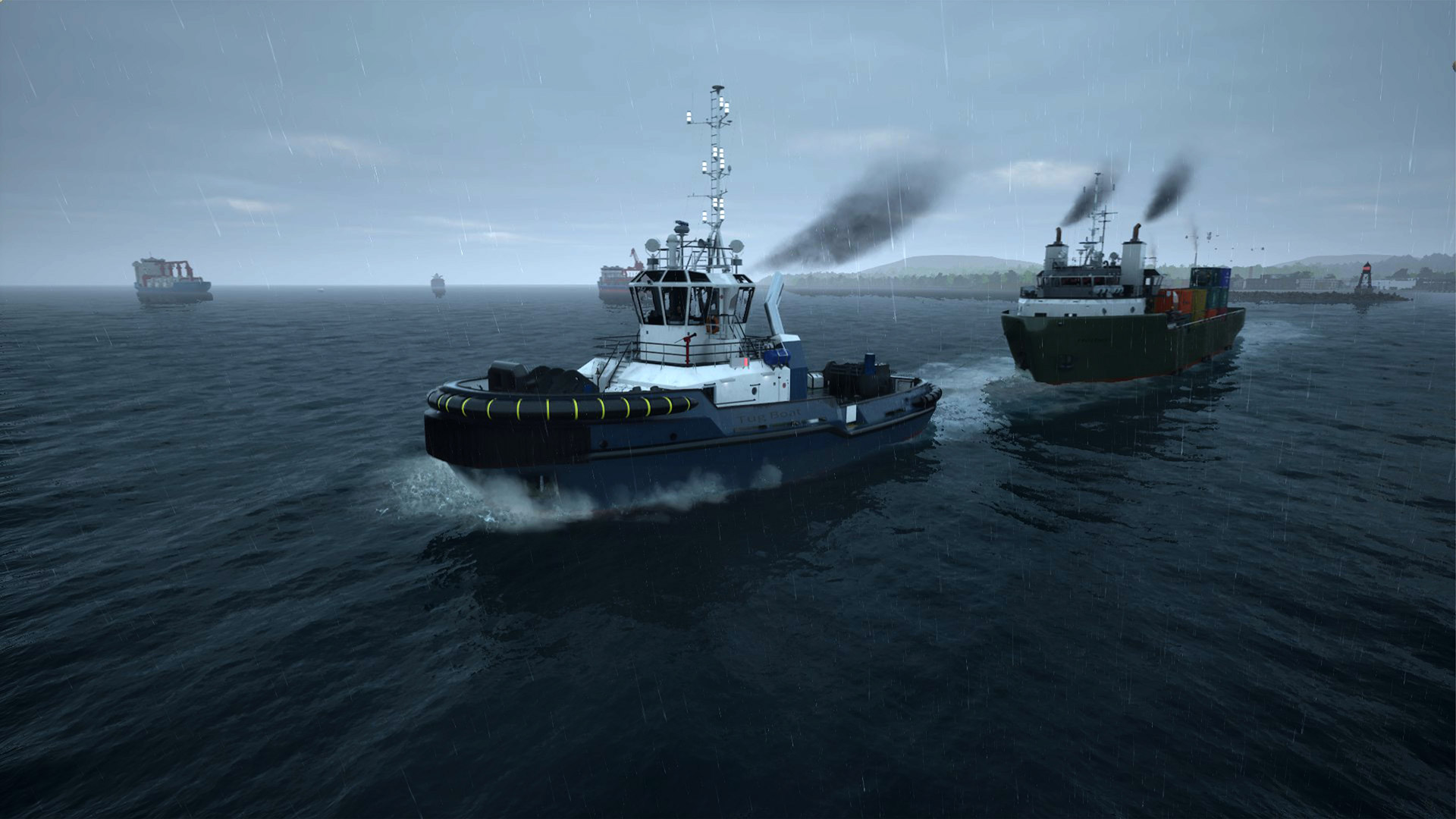
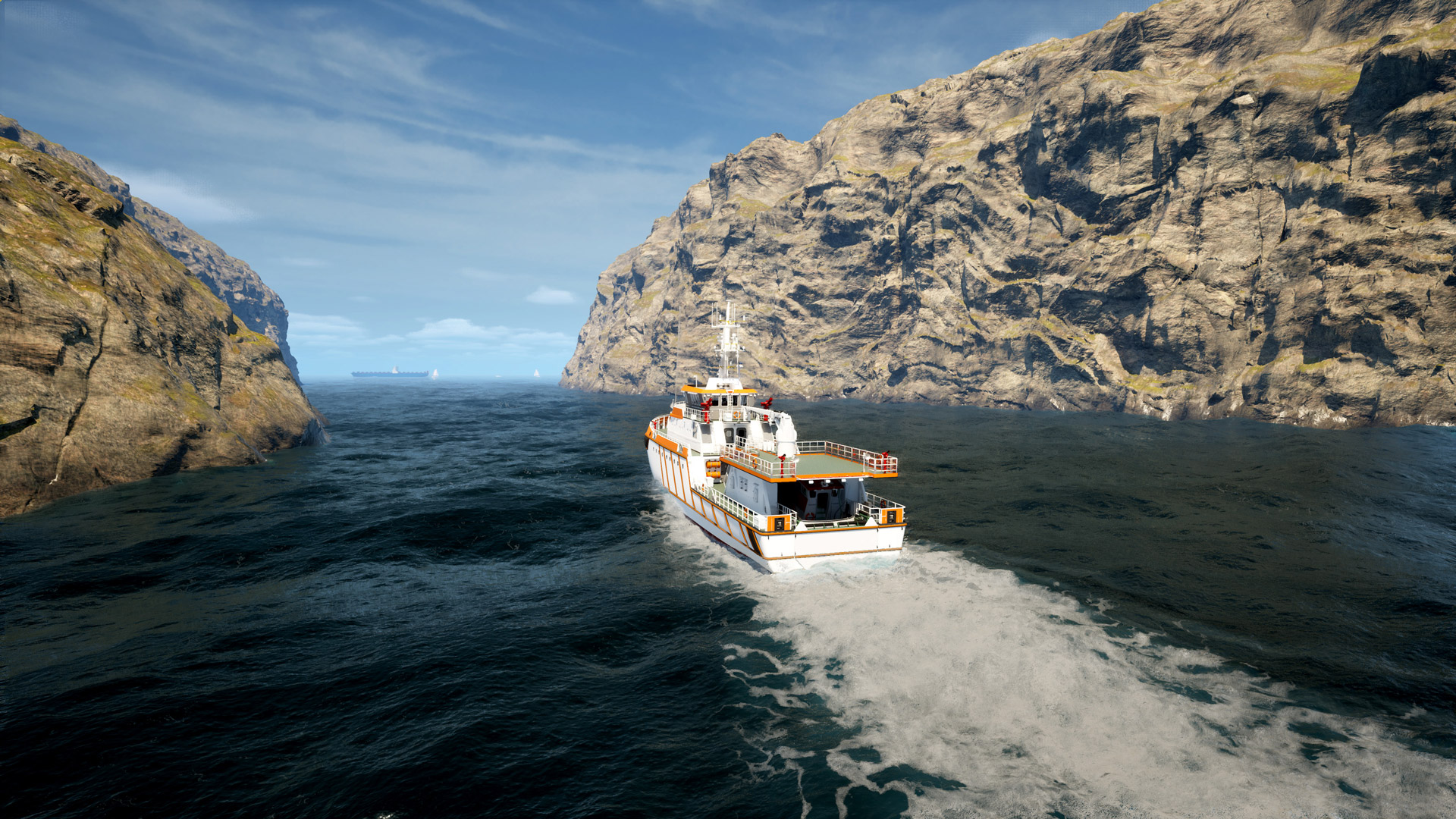
No two days on the water are the same. Calm sunrises over quiet seas can turn into rough storms without warning. Dynamic waves, changing weather, and unexpected encounters make every voyage feel a little different and, hopefully, memorable.
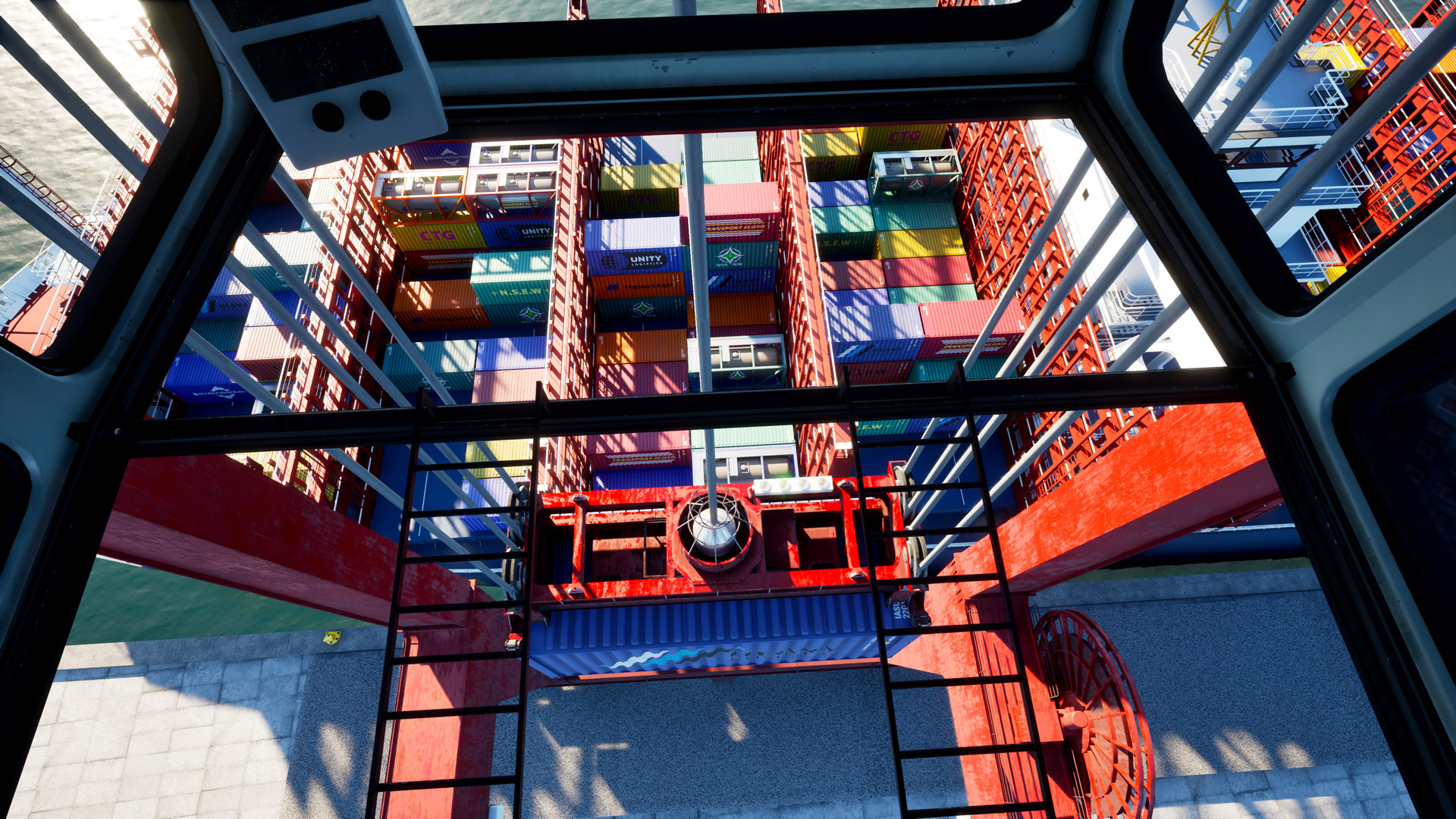
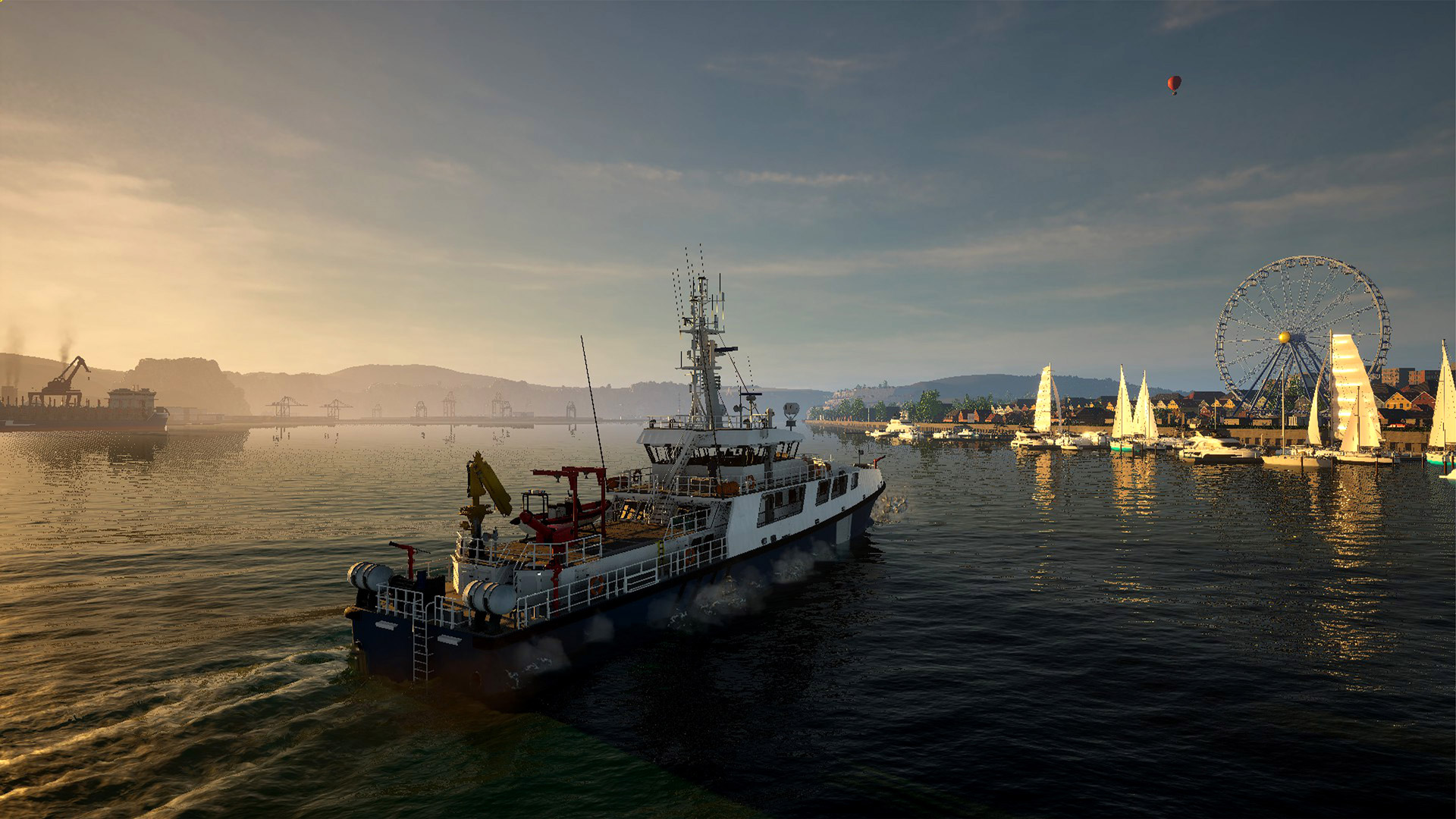
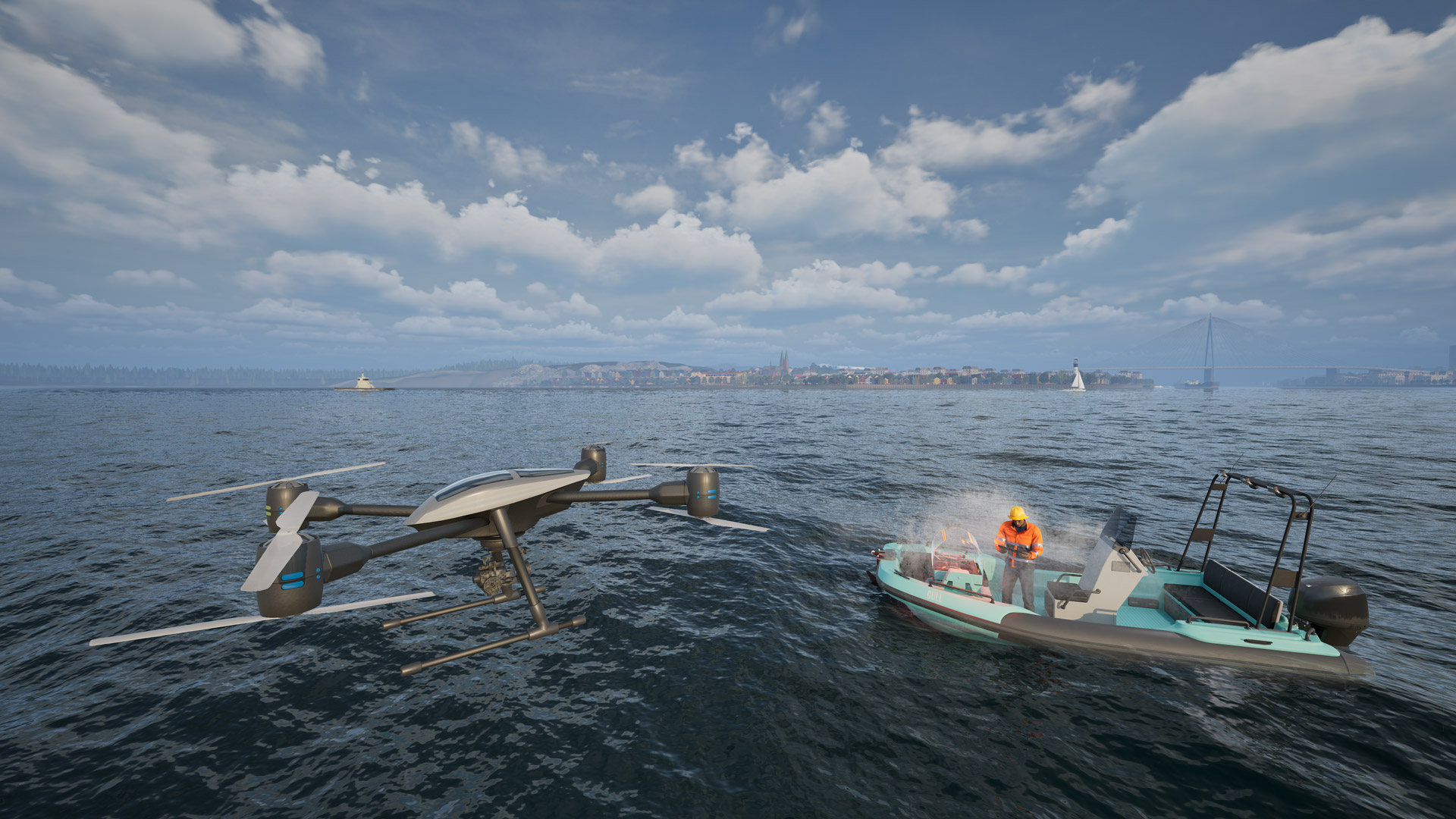
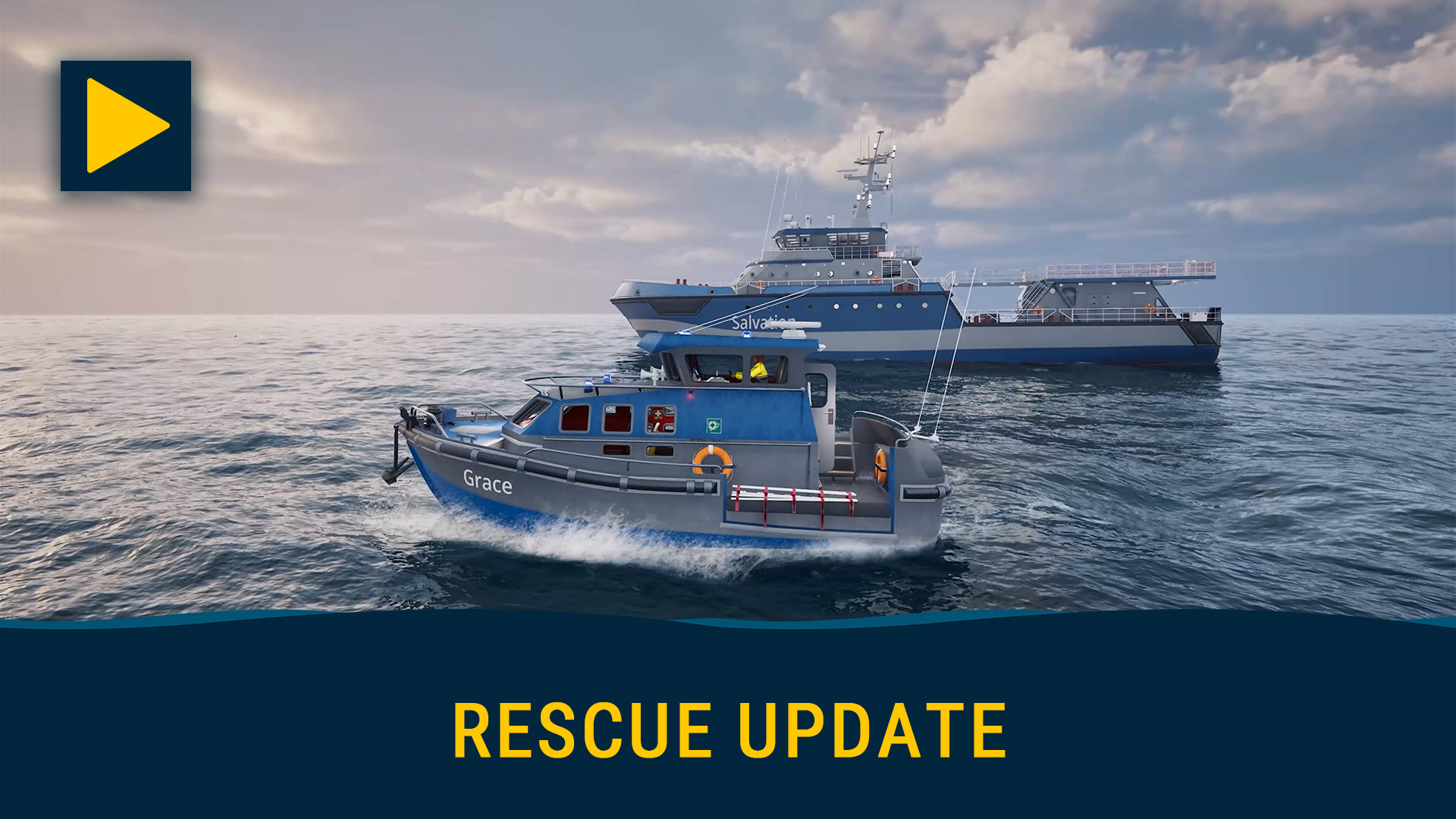
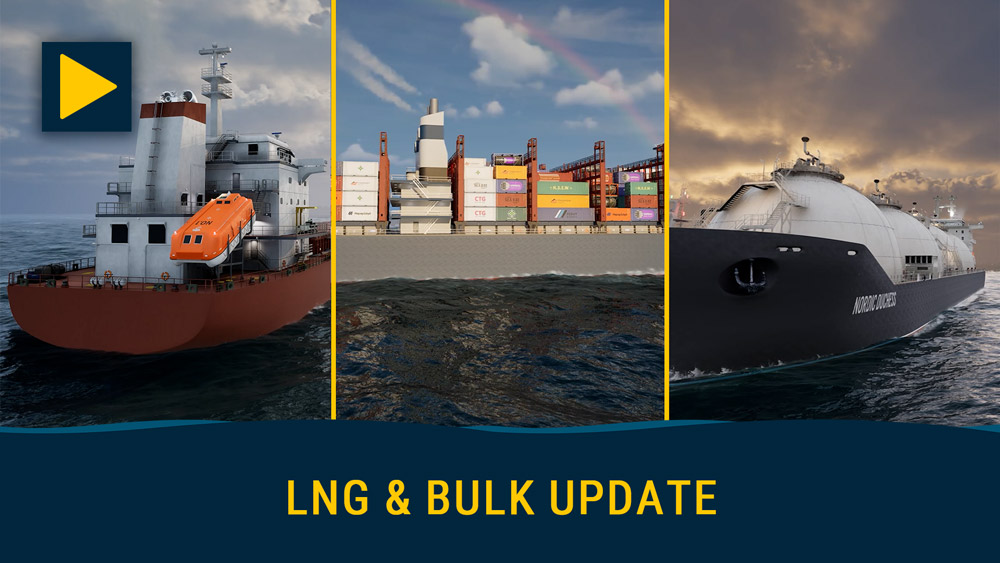
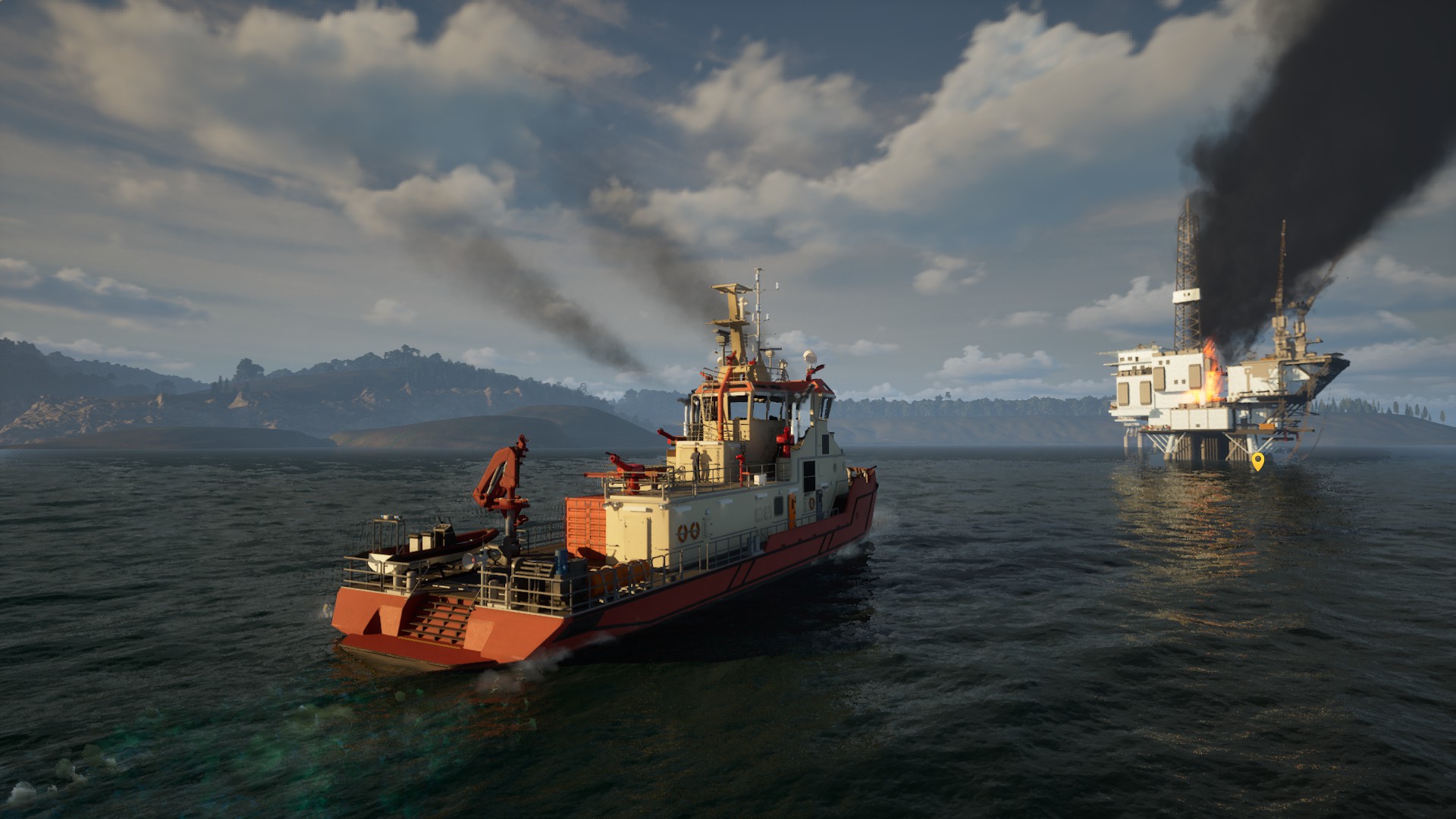
Choose from a growing fleet of vessels that range from small work boats to true giants of the sea. Patrol harbours and coastlines, load containers and bulk cargo with massive cranes, transport delicate LNG, answer distress calls, rescue stranded crews, fight fires, salvage lost freight, or guide huge ships safely into dock.
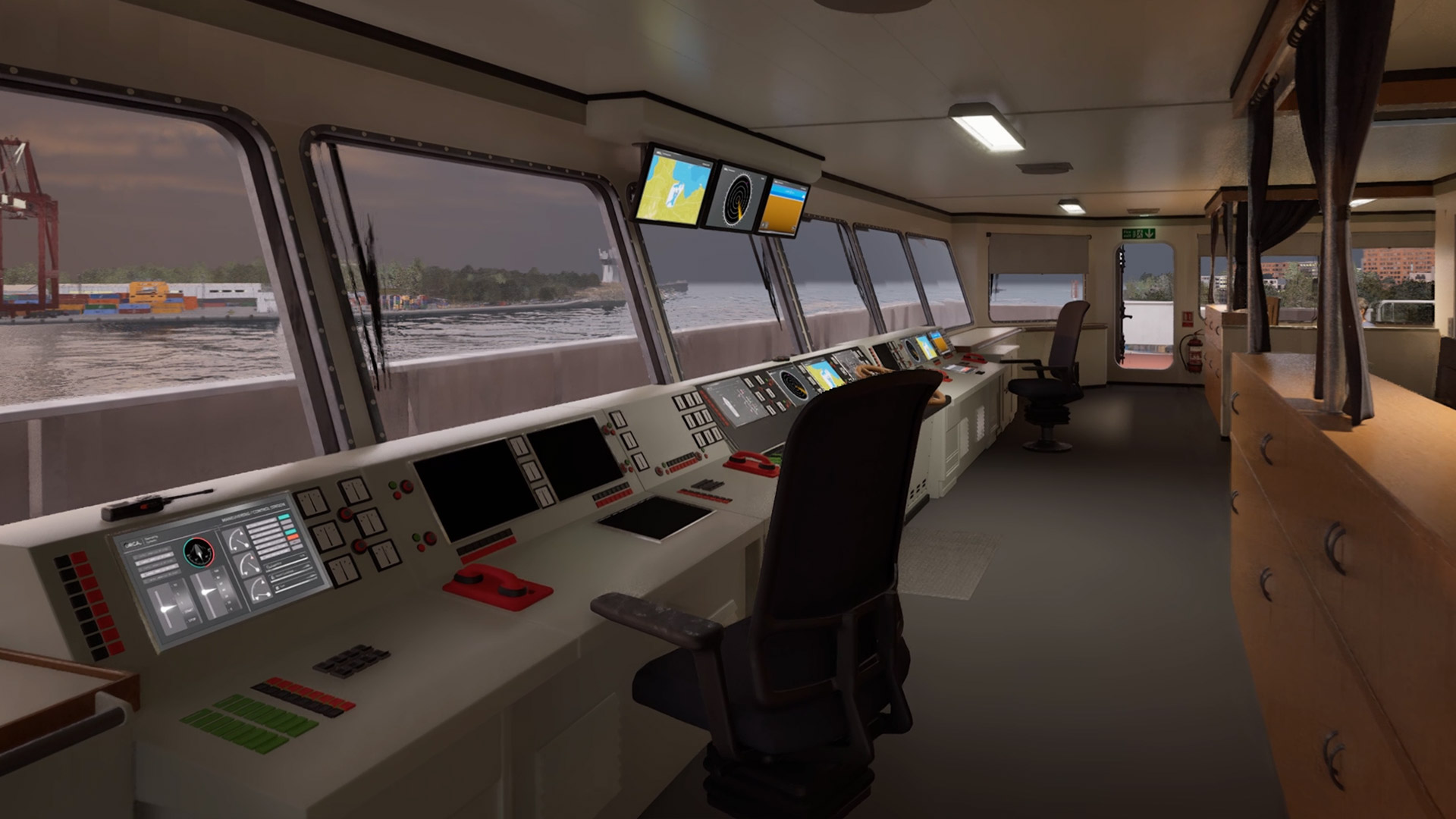
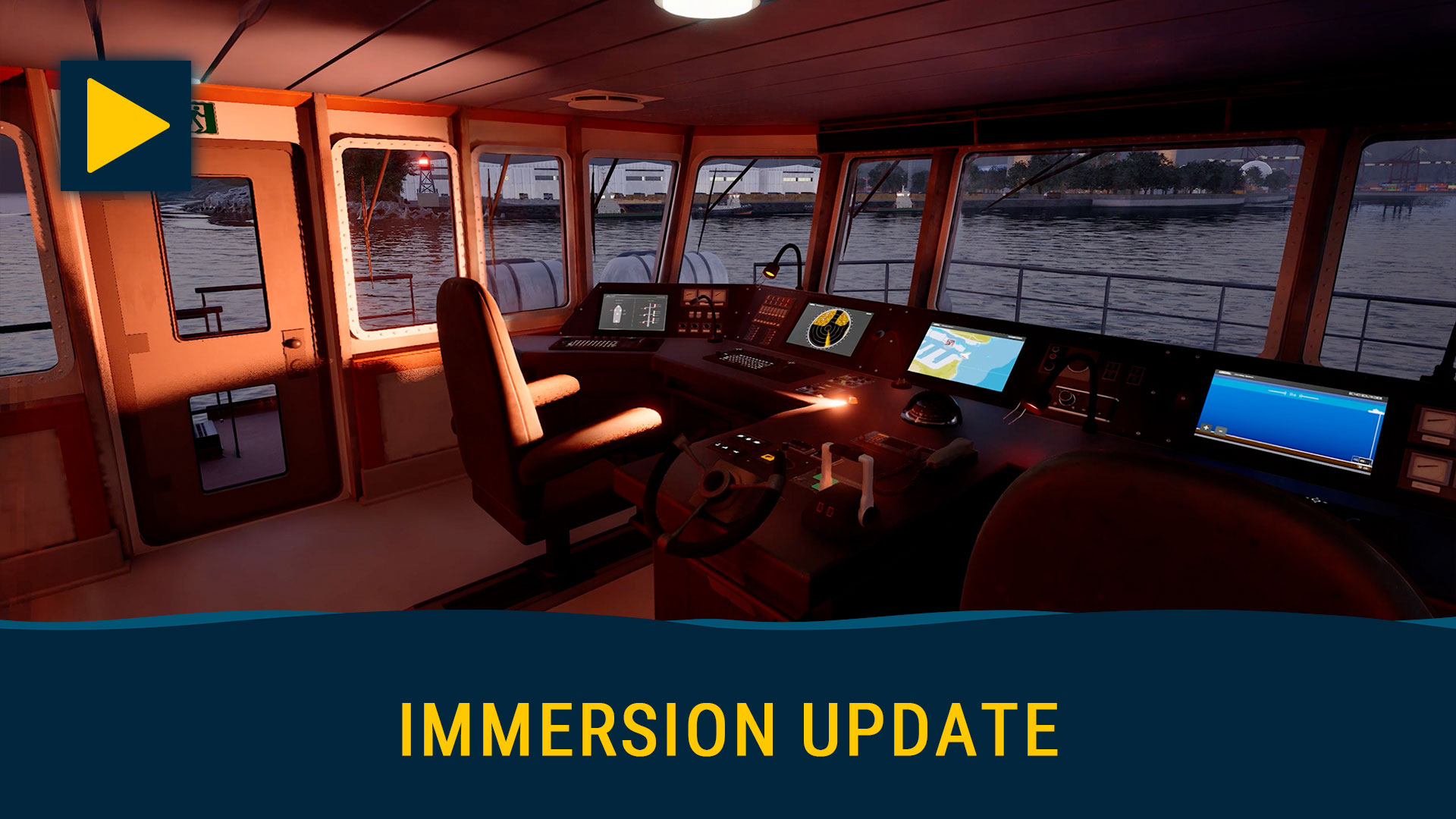
Or simply just enjoy the view from the bridge and snap a few pics.
Check out the roadmap to see what’s coming next. New vessels and features are on the way, while existing systems continue to be refined and polished. Multiplayer and ship customisation are also on the horizon.
Early Access means we’re building this together. Your feedback, ideas, and reports genuinely help plot the course ahead. Join us on this voyage through the sometimes stormy seas of development and let’s aim for smooth sailing toward full release.
While you asked for a "solid report," much of the formal data surrounding this title exists in community discussions and niche entertainment news rather than academic or industrial journals. In contrast, scientific "solid reports" (such as those for or solid-state technology ) are unrelated to this specific media property. If you are looking for something else, Official release dates for the live-action version?
This is the Japanese term specifically used when referring to one's own older sister to people outside the family. It carries a humble, familiar nuance, as opposed to "oneesan," which is used when addressing an older sister directly or speaking about someone else's sister.
The passionate reception can be seen in the reviews. One user gave it a 10/10 and explained, "It's easily one of if not the best things to come out of the 2020 hentai year". Another, rating it 7.5/10, commented, "Ane wa Yanmama Junyuu-chuu is a pretty good hentai, and has all the right components to make for a fun ride". The popularity of the anime has led to it being mentioned in forums where fans seek recommendations with "pregnancy" or "lactation" fetishes, solidifying its place as a key title for specific niche interests. The keyword "ane wa yan" itself has become a go-to search term in these discussions, proving the power of internet shorthand. ane wa yan
"As for my older sister, well..." or "My older sister is, you know..."
In the tapestry of human relationships, few threads are as intricate and enduring as those woven between siblings. The Japanese phrase ane (姉) literally translates to “older sister,” a role that carries cultural weight and emotional depth. The ambiguous phrase ane wa yan —possibly a misinterpretation, incomplete sentence, or stylized expression—serves as a springboard to explore broader themes: family dynamics, the responsibilities of elder siblings, and the universal human desire for connection. Whether a typo, a subcultural term, or a creative musing, this phrase invites us to reflect on the significance of siblinghood and identity. While you asked for a "solid report," much
A frequent error among beginners is assuming "Yan" is a person's name. You might see a fan translation where a character says, "Ane wa Yan to issho ni ita" — but that would mean "My sister was with Yan (a person)."
Aika brings along her two young sons, Daiki and Yuusuke, turning Takuya’s quiet apartment into a hectic household. This is the Japanese term specifically used when
One of the standout features of Ane wa Yan is its character development. Throughout the series, we see Yan and Akira navigate the challenges of adolescence and young adulthood. Yan’s journey is particularly compelling as she grapples with her identity and aspirations while remaining a steadfast source of support for her brother. Akira, in turn, learns to appreciate his sister’s quirks and recognizes the profound impact she has on his life. Their growth is portrayed with nuance and sensitivity, allowing readers to connect with them on a personal level.
Subscribe to our newsletter to get the latest news of Seafarer: The Ship Sim right in your inbox. Please note that you have to confirm your subscription before receiving our newsletter.
While you asked for a "solid report," much of the formal data surrounding this title exists in community discussions and niche entertainment news rather than academic or industrial journals. In contrast, scientific "solid reports" (such as those for or solid-state technology ) are unrelated to this specific media property. If you are looking for something else, Official release dates for the live-action version?
This is the Japanese term specifically used when referring to one's own older sister to people outside the family. It carries a humble, familiar nuance, as opposed to "oneesan," which is used when addressing an older sister directly or speaking about someone else's sister.
The passionate reception can be seen in the reviews. One user gave it a 10/10 and explained, "It's easily one of if not the best things to come out of the 2020 hentai year". Another, rating it 7.5/10, commented, "Ane wa Yanmama Junyuu-chuu is a pretty good hentai, and has all the right components to make for a fun ride". The popularity of the anime has led to it being mentioned in forums where fans seek recommendations with "pregnancy" or "lactation" fetishes, solidifying its place as a key title for specific niche interests. The keyword "ane wa yan" itself has become a go-to search term in these discussions, proving the power of internet shorthand.
"As for my older sister, well..." or "My older sister is, you know..."
In the tapestry of human relationships, few threads are as intricate and enduring as those woven between siblings. The Japanese phrase ane (姉) literally translates to “older sister,” a role that carries cultural weight and emotional depth. The ambiguous phrase ane wa yan —possibly a misinterpretation, incomplete sentence, or stylized expression—serves as a springboard to explore broader themes: family dynamics, the responsibilities of elder siblings, and the universal human desire for connection. Whether a typo, a subcultural term, or a creative musing, this phrase invites us to reflect on the significance of siblinghood and identity.
A frequent error among beginners is assuming "Yan" is a person's name. You might see a fan translation where a character says, "Ane wa Yan to issho ni ita" — but that would mean "My sister was with Yan (a person)."
Aika brings along her two young sons, Daiki and Yuusuke, turning Takuya’s quiet apartment into a hectic household.
One of the standout features of Ane wa Yan is its character development. Throughout the series, we see Yan and Akira navigate the challenges of adolescence and young adulthood. Yan’s journey is particularly compelling as she grapples with her identity and aspirations while remaining a steadfast source of support for her brother. Akira, in turn, learns to appreciate his sister’s quirks and recognizes the profound impact she has on his life. Their growth is portrayed with nuance and sensitivity, allowing readers to connect with them on a personal level.