Sifarişçilər










Nevertheless, these are limitations of era, not of insight. His work pairs perfectly with more technical texts like Heim & Kratzer’s Semantics in Generative Grammar .
Provides a general introduction to semantics, setting it within the larger framework of semiotics (the study of signs). It covers the history of the study of meaning, structuralism, and referential theory. Volume II (1977)
If you’ve ever found yourself staring at a sentence, wondering not what the words mean, but how they mean—how context, culture, and structure collide—you’ve already stepped into the world of linguistic semantics. And if you’re a student of linguistics, you’ve almost certainly encountered the name .
: Essential to his work is the development of a "metalanguage"—a language used to describe language—to clarify specialized terms and avoid ambiguity during analysis. Significant Contributions to Semantic Theory
Before Lyons, semantics was often treated as a chaotic intersection of philosophy, psychology, and linguistics. Lyons was instrumental in establishing semantics as a distinct, autonomous level of linguistic analysis.
The structural lexical relations Lyons describes (hyponymy, meronymy, antonymy) form the exact logical architecture behind modern computational ontologies and semantic networks like WordNet.
This public link is valid for 7 days and shares a thread, including any personal information you added. This link or copies made by others cannot be deleted. If you share with third parties, their policies apply. Can’t copy the link right now. Try again later.
The place a word holds in a system of relationships with other words in the language. Lyons argued that a word can have sense even if it lacks a real-world reference (e.g., "unicorn"). 2. Lexical Relations (Sense Relations)
Lyons carefully distinguishes between (the relationship between words within a language system) and reference (the relationship between words and the world). He introduces the distinction between extension (the set of things a term applies to) and intension (the concept or definition of the term).
For anyone reading a PDF of Lyons’ work, these recurring ideas are essential:
Lyons explores the main philosophical approaches to semantics:
Obyektlər

Son işlərimiz
Layihələr

AZƏRBAYCAN
BP-nin “Sunrise” (Şəfəq) SPP (günəş elektrik stansiyası) layihəsi — Cəbrayılda həyata keçirilən 288 MWp (240 MW AC) gücündə böyükmiqyaslı fotovoltaik enerji layihəsi
2025
Dünya standartları

GÜRCÜSTAN
Mülki, Struktur, Mexaniki İstehsalat, Mexaniki Tikinti, ICE təminatı layihəsi
2021

GÜRCÜSTAN
Gürcüstan Respublikası ərazisində istehsalat, tikinti, mülki obyektlərinin inşaatı, elektrik avadanlıqlarının və cihazlarının təmiri işləri
2023

Dünya standartlarına cavab verən AZFEN MMC
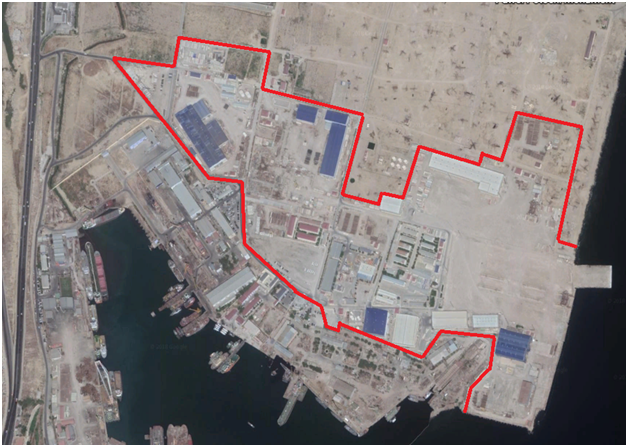
AZFEN MMC 1996-cı ilin yanvarında Azərbaycan Respublikası Dövlət Neft Şirkəti (60% sahiblik hüququ ilə) və TEKFEN İnşaat və Təsisat A.Ş. (40% sahiblik hüququ ilə) tərəfindən təsis edilmişdir.
Məqsədimiz neft şirkətləri üçün yüksək səviyyəli tikinti və mühəndislik işlərini həyata keçirməkdən ibarətdir. Təcrübə və müasir texnologiyaların tətbiqi bizə Xəzər regionunda neft şirkətlərinə misilsiz xidmət göstərmək imkanı vermişdir. Biz irihəcmli neft layihələri üçün boru kəmərlərinin, platformaların və terminalların tikintisini həyata keçirmişik. Bacarıq və təcrübəmizlə yanaşı, sağlam və təhlükəsiz iş şəraitinə böyük əhəmiyyət veririk.
Hal-hazırda AZFEN fəaliyyətini dünya miqyasında genişləndirməyə çalışır.
Nevertheless, these are limitations of era, not of insight. His work pairs perfectly with more technical texts like Heim & Kratzer’s Semantics in Generative Grammar .
Provides a general introduction to semantics, setting it within the larger framework of semiotics (the study of signs). It covers the history of the study of meaning, structuralism, and referential theory. Volume II (1977)
If you’ve ever found yourself staring at a sentence, wondering not what the words mean, but how they mean—how context, culture, and structure collide—you’ve already stepped into the world of linguistic semantics. And if you’re a student of linguistics, you’ve almost certainly encountered the name . linguistic semantics john lyons pdf work
: Essential to his work is the development of a "metalanguage"—a language used to describe language—to clarify specialized terms and avoid ambiguity during analysis. Significant Contributions to Semantic Theory
Before Lyons, semantics was often treated as a chaotic intersection of philosophy, psychology, and linguistics. Lyons was instrumental in establishing semantics as a distinct, autonomous level of linguistic analysis. Nevertheless, these are limitations of era, not of insight
The structural lexical relations Lyons describes (hyponymy, meronymy, antonymy) form the exact logical architecture behind modern computational ontologies and semantic networks like WordNet.
This public link is valid for 7 days and shares a thread, including any personal information you added. This link or copies made by others cannot be deleted. If you share with third parties, their policies apply. Can’t copy the link right now. Try again later. It covers the history of the study of
The place a word holds in a system of relationships with other words in the language. Lyons argued that a word can have sense even if it lacks a real-world reference (e.g., "unicorn"). 2. Lexical Relations (Sense Relations)
Lyons carefully distinguishes between (the relationship between words within a language system) and reference (the relationship between words and the world). He introduces the distinction between extension (the set of things a term applies to) and intension (the concept or definition of the term).
For anyone reading a PDF of Lyons’ work, these recurring ideas are essential:
Lyons explores the main philosophical approaches to semantics:

Ümummilli lider

Prezident

Birinci Vitse-Prezident