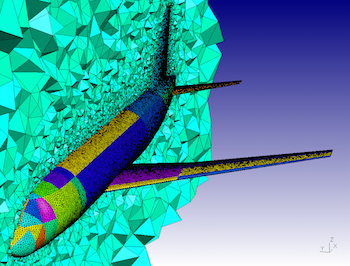
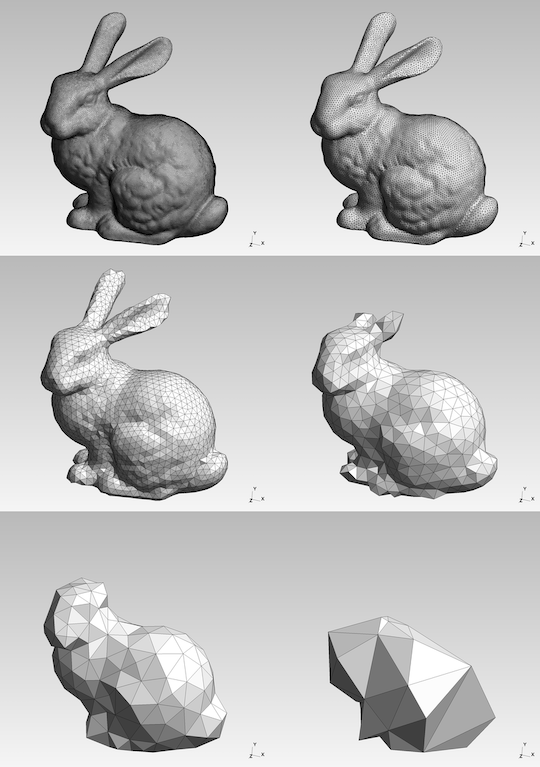
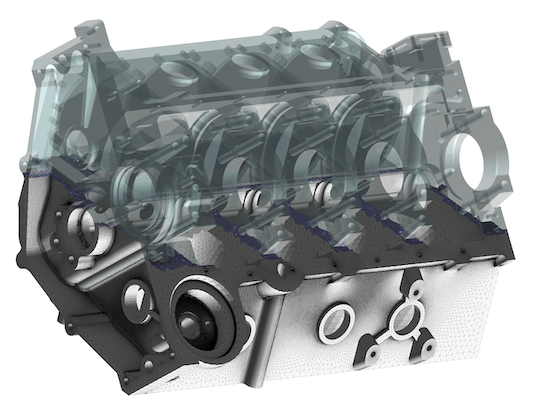
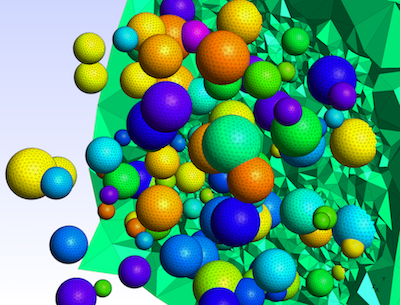
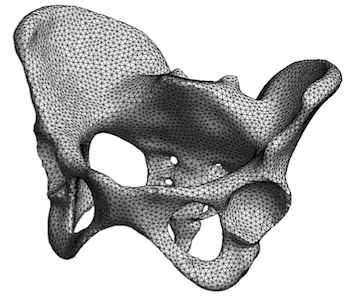
Gmsh is an open source 3D finite element mesh generator with a built-in CAD
engine and post-processor. Its design goal is to provide a fast, light and
user-friendly meshing tool with parametric input and flexible visualization
capabilities. Gmsh is built
around four modules
(geometry, mesh, solver and post-processing), which can be controlled with
the graphical user
interface, from
the command
line, using text files written in Gmsh's
own scripting
language (.geo files), or through the C++, C, Python, Julia and
Fortran application
programming interface.
See this general presentation for a high-level overview of Gmsh and the reference manual for the complete documentation, which includes the Gmsh tutorial. The source code repository contains the tutorial source files as well as many other examples.
Gmsh is distributed under the terms of the GNU General Public License (GPL):
pip install
            --upgrade gmsh
'
Make sure to read the tutorial and the FAQ before sending questions or bug reports.
git clone
          https://gitlab.onelab.info/gmsh/gmsh.git
'
pip install -i https://gmsh.info/python-packages-dev
        --force-reinstall --no-cache-dir gmsh
' (on Linux systems without
X windows, use python-packages-dev-nox instead of
python-packages-dev)
If you use Gmsh please cite the following reference in your work (books, articles, reports, etc.): C. Geuzaine and J.-F. Remacle. Gmsh: a three-dimensional finite element mesh generator with built-in pre- and post-processing facilities. International Journal for Numerical Methods in Engineering 79(11), pp. 1309-1331, 2009. You can also cite additional references for specific features and algorithms.
Please report all issues
on https://gitlab.onelab.info/gmsh/gmsh/issues.
Gmsh is copyright (C) 1997-2022 by C. Geuzaine and J.-F. Remacle (see the CREDITS file for more information) and is distributed under the terms of the GNU General Public License (GPL) (version 2 or later, with an exception to allow for easier linking with external libraries).
In short, this means that everyone is free to use Gmsh and to redistribute it on a free basis. Gmsh is not in the public domain; it is copyrighted and there are restrictions on its distribution (see the license and the related frequently asked questions). For example, you cannot integrate this version of Gmsh (in full or in parts) in any closed-source software you plan to distribute (commercially or not). If you want to integrate parts of Gmsh into a closed-source software, or want to sell a modified closed-source version of Gmsh, you will need to obtain a commercial license: please contact us for details.
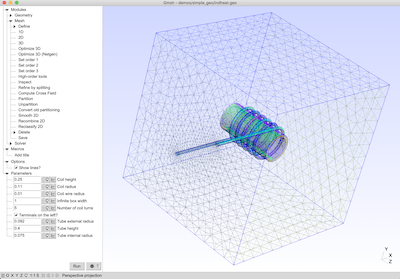
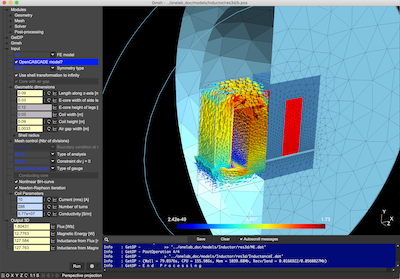
These are two screenshots of the Gmsh user interface, with either the light or dark user interface theme. See the ONELAB web site for more.
While older versions like 10.2 are still cited in specialized research for historical data processing, they lack modern security updates and compatibility with the latest operating systems. Risks of Using "Cracked" Software
However, Esri offers more accessible options for those who qualify:
(Geographic Resources Analysis Support System) provides robust 2D and 3D raster analysis capabilities and integrates with SQL databases. It's licensed free and open-source. arcgis 10.2 crack
For users who cannot afford ArcGIS even at reduced rates, a vibrant ecosystem of open-source GIS software provides powerful, free alternatives that are both legal and secure.
Q: Can I get support for a cracked version of ArcGIS 10.2? A: No, you won't have access to official support from ESRI if you're using a cracked version. While older versions like 10
: Many universities provide student licenses or have ArcGIS installed in computer labs. You can check your school's software portal or library for access.
The use of cracked software, including ArcGIS 10.2, has become a widespread phenomenon globally. ArcGIS 10.2, a geographic information system (GIS) software developed by Esri, is a powerful tool used for creating, analyzing, and visualizing geographic data. While the software offers a free trial period, users who wish to continue using its advanced features must purchase a license. However, some individuals and organizations opt for cracked versions of the software, which can be downloaded from various websites. This essay will explore the ethics and implications of using cracked software, focusing on ArcGIS 10.2. For users who cannot afford ArcGIS even at
If you need access to ArcGIS at low or no cost, here are legitimate alternatives: